- +234 8022215962
- 17, Igbasan Street, Off Church Street, Opebi, Ikeja Lagos


At Cardinal Integrated Global, we understand the critical role that efficient storage solutions play in optimizing warehouse operations. Our pallet racking systems are designed to maximize space utilization, improve inventory management, and enhance overall productivity. Whether you’re dealing with bulk storage, FIFO/LIFO inventory systems, or specialized storage needs, our pallet racking solutions offer the flexibility and reliability you need to streamline your warehouse processes.
As the backbone of warehouse storage solutions, pallet racking systems are pivotal assets in the logistical framework of modern businesses.
Whether you’re managing a distribution centre, warehouse or storage facility, the efficiency and safety of your operations depends heavily on making an informed choice in pallet racking.
In this guide, we delve into the critical factors you must consider to ensure your selected system aligns with your operational needs, maximises space utilisation, and enhances the overall productivity of your storage strategy: Join us to explore how integrating the ideal pallet racking solution is not just a necessity but a strategic decision that can make a substantial difference in your business’s success.
When designing your warehouse’s storage system, the specific types of commodities you’re planning to store play an essential role in determining the most suitable pallet racking solution. Different commodities have varying storage and handling requirements, which should directly influence the selection of racking design.
Whether you are storing heavy industrial equipment, perishable food items, or high-turnover consumer goods, each type of product demands a particular racking system: For heavy and bulky items, a racking solution with high weight capacity and durability, such as Wide Aisle Pallet Racking, might be necessary. Conversely, high-flow consumer goods could benefit from a gravity-fed system like flow racks to facilitate high turnover rates.

The relationship between product type and racking design is significant, as items that are irregular in shape or size may require customisable and versatile racking solutions, for example cantilever racks. Alternatively, products that are palletised uniformly can be accommodated with high-density storage systems like drive-in or push-back racks.
Choosing the right pallet racking system is crucial for maximising efficiency and productivity in any warehouse. Different racking designs are tailored to meet specific storage needs, accommodate unique commodities, and align with varying business objectives. Recognising the nuances of each type can greatly influence how effectively a warehouse functions.
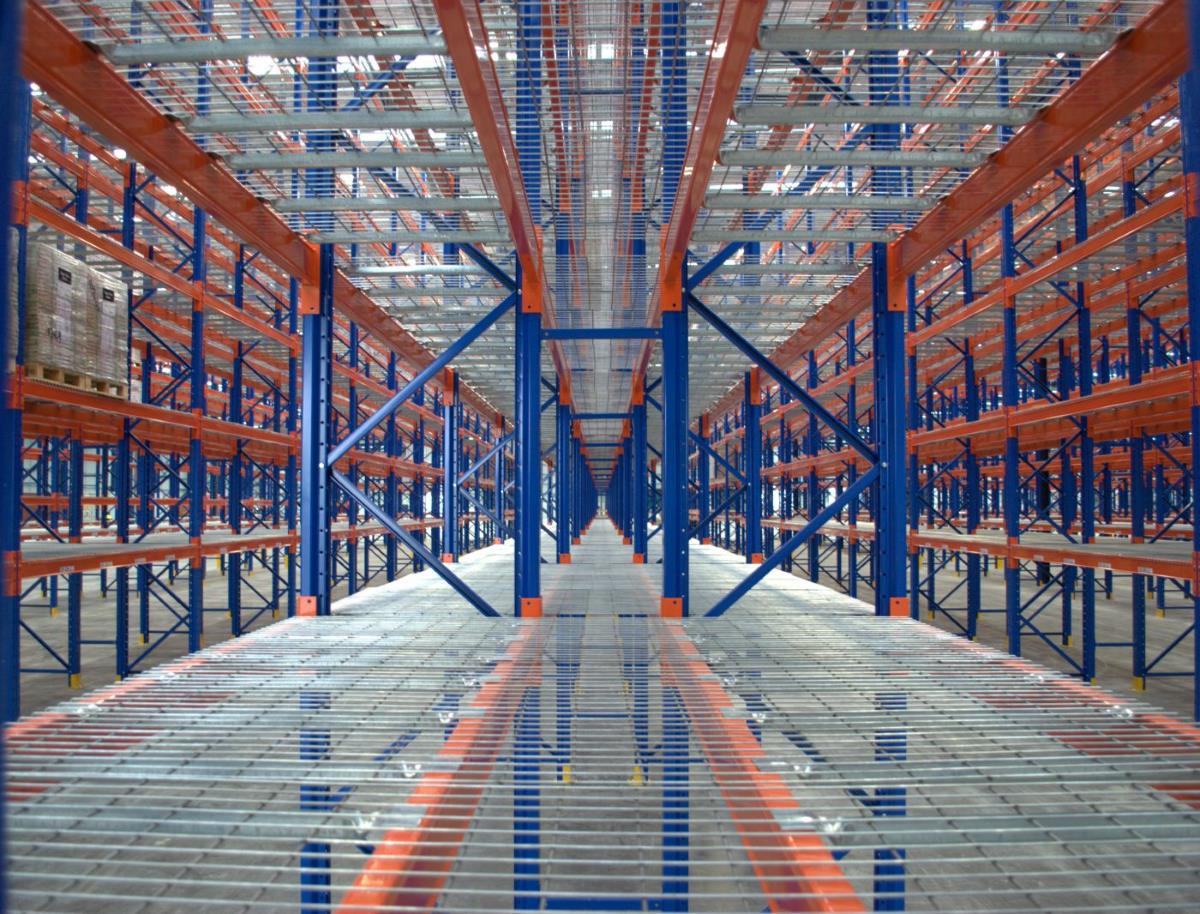

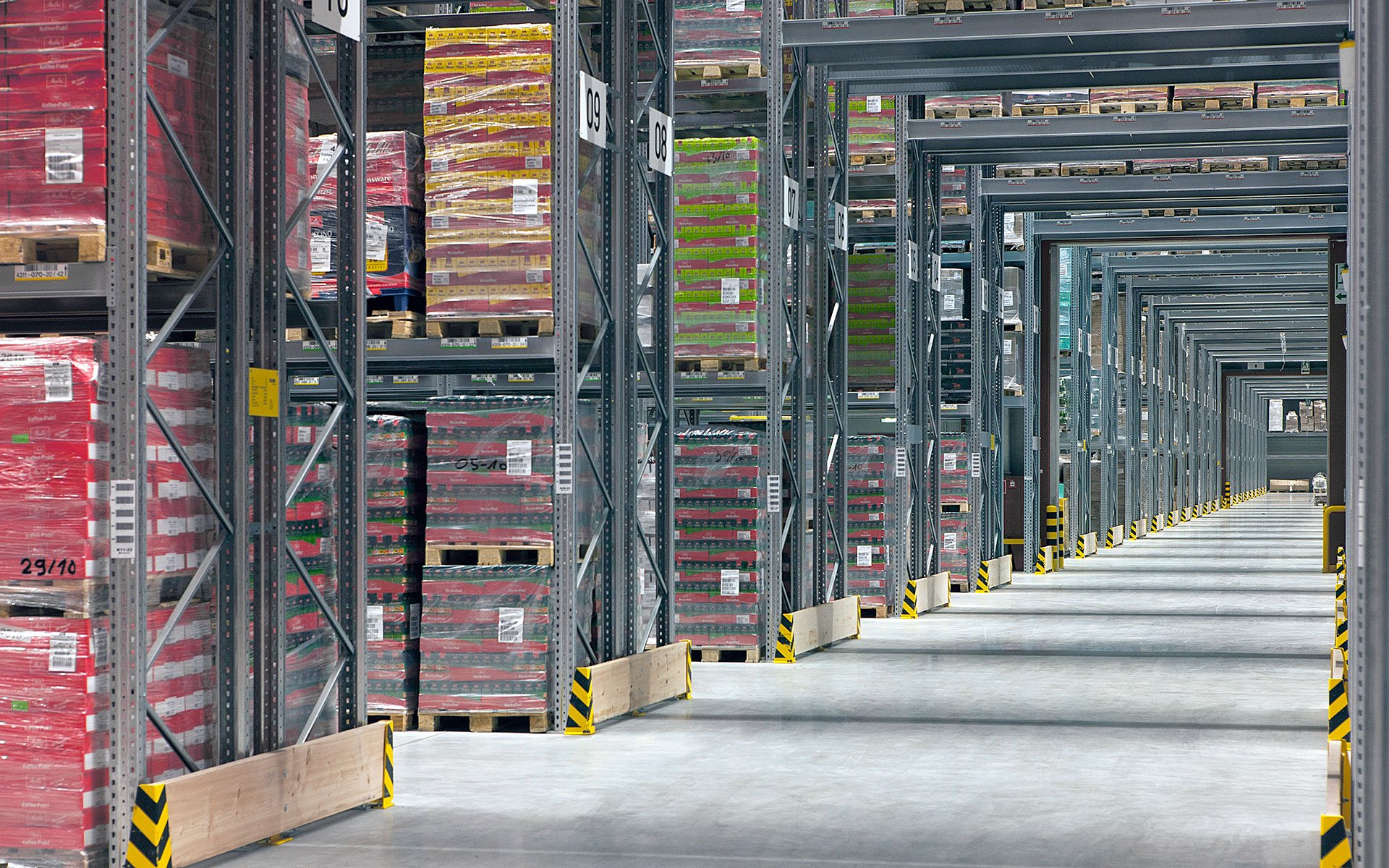
It’s important to assess the inventory patterns, handling equipment, and storage goals before choosing this setup. 

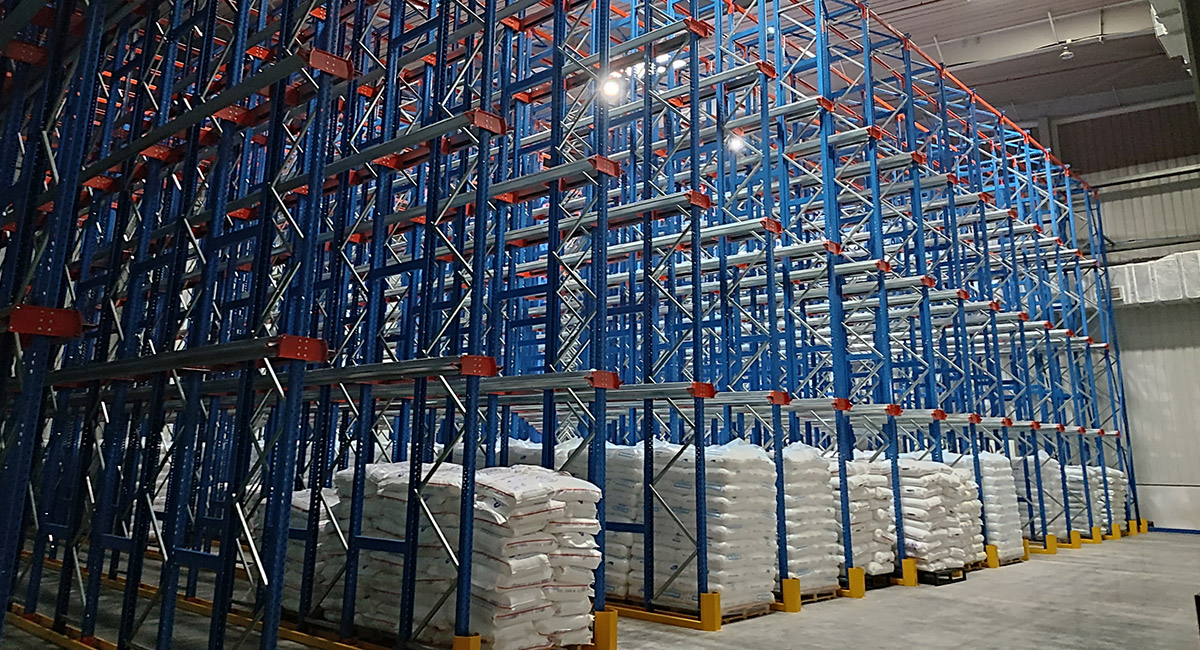
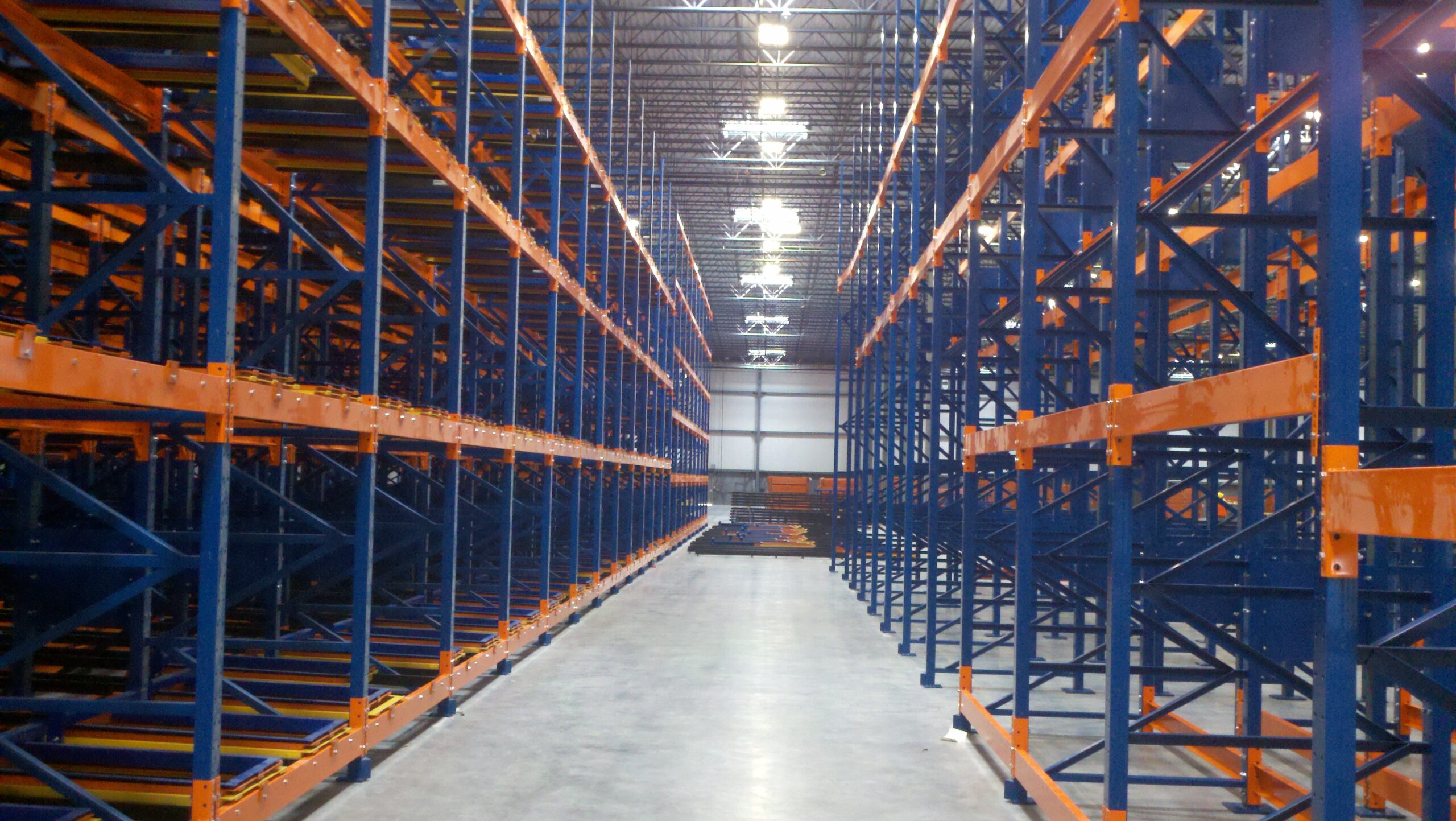
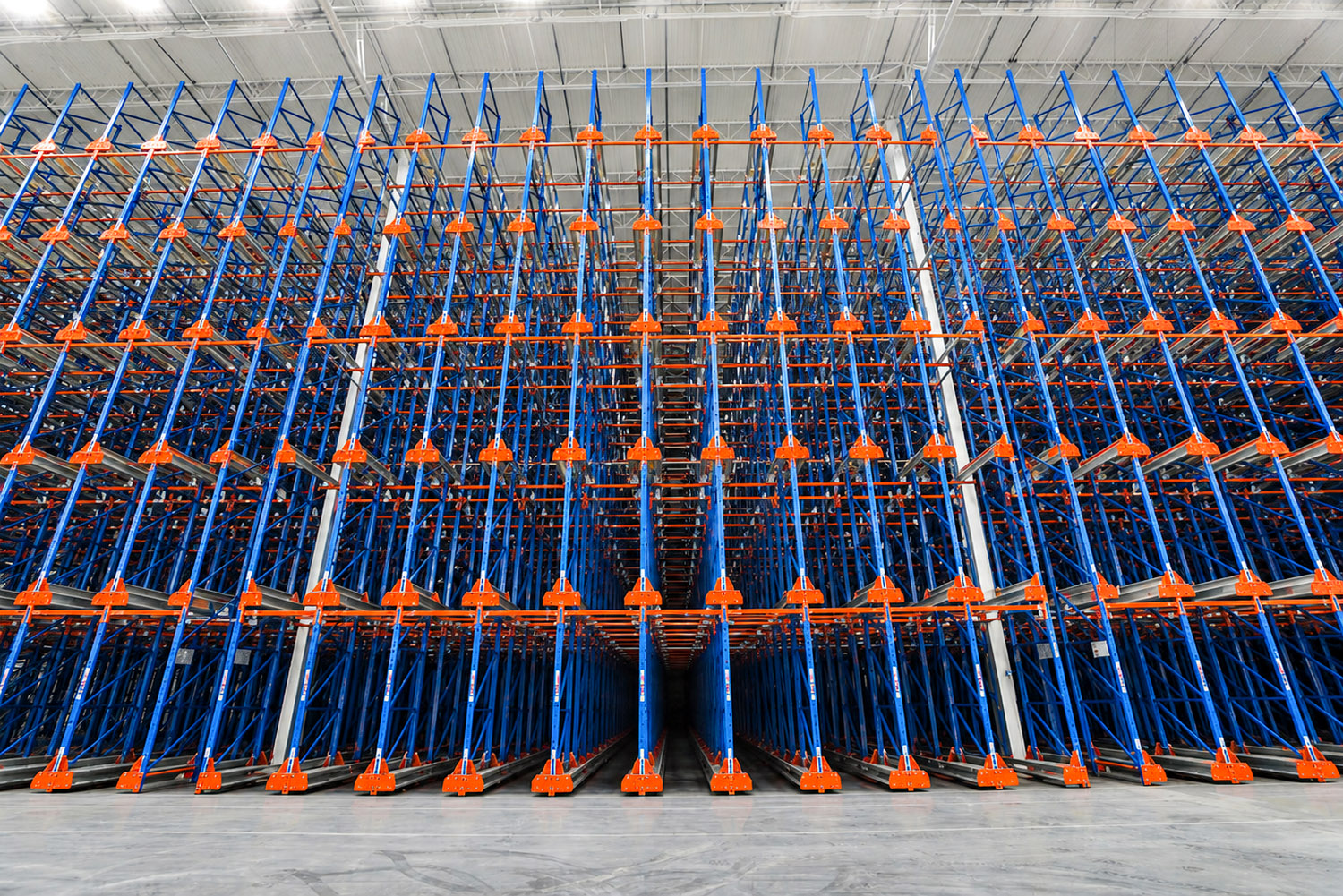
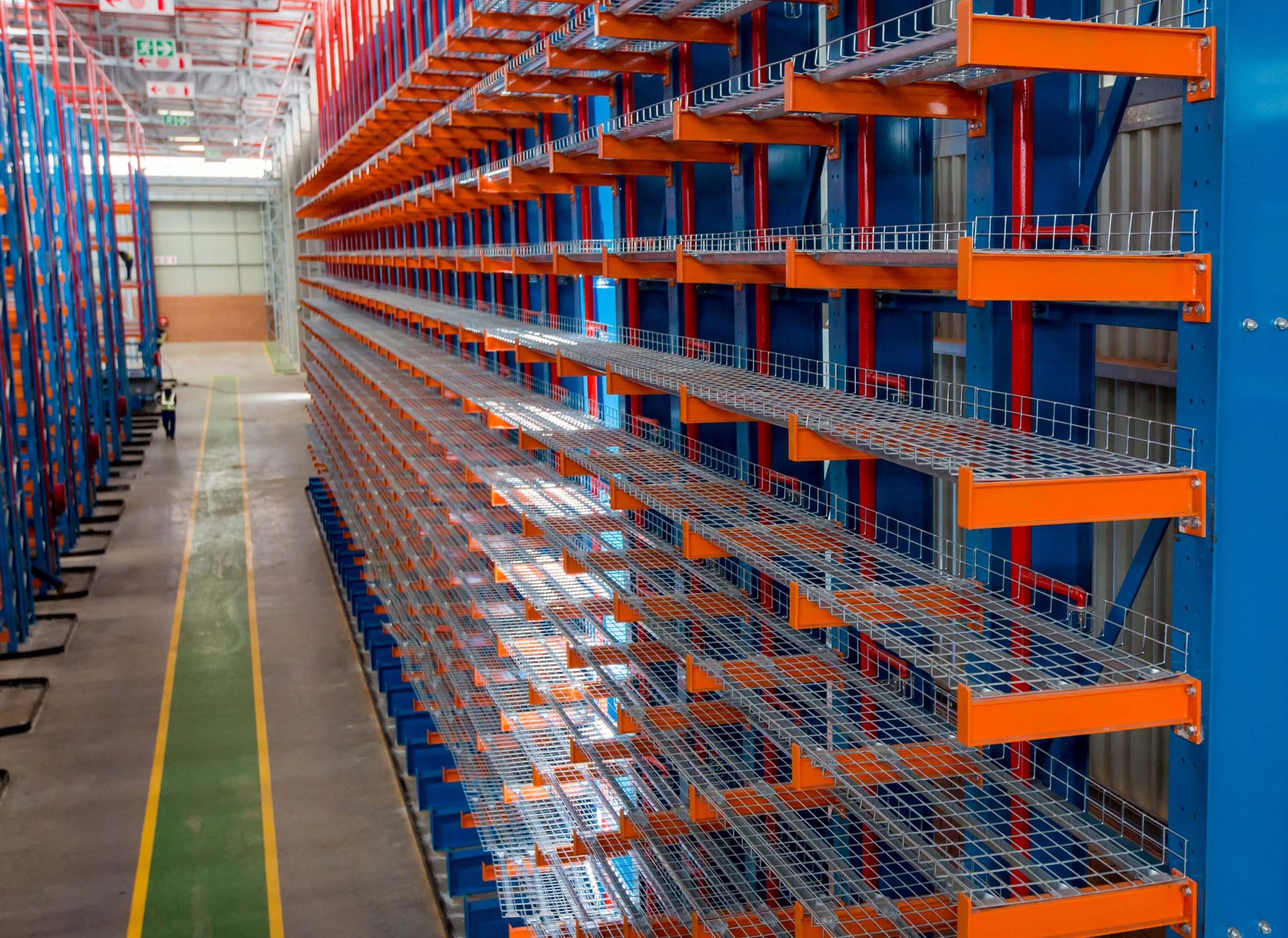
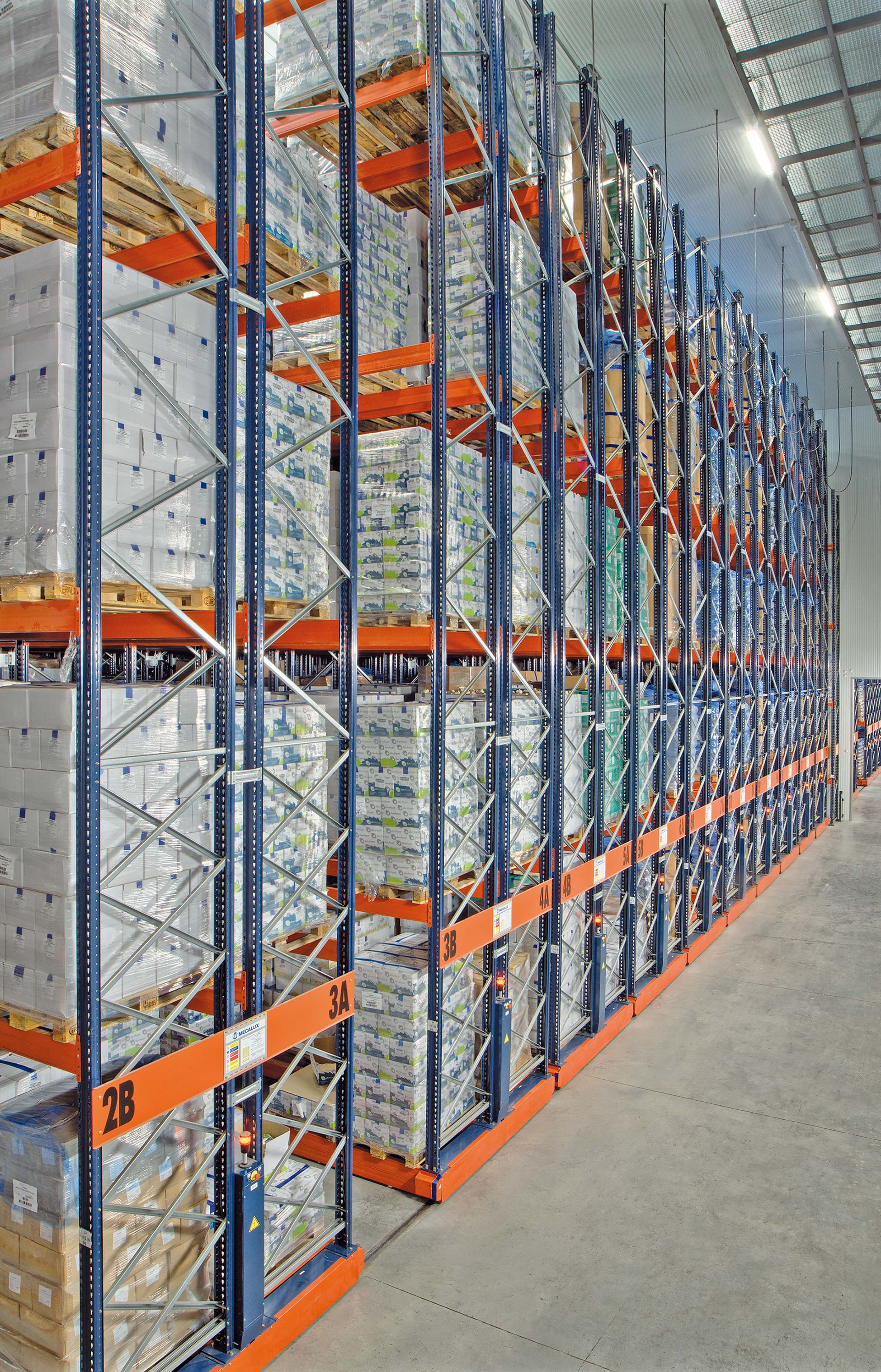
Integrated seamlessly with your existing forklifts, it tracks inventory using RFID and computer-controlled systems, ensuring real-time updates and accurate product movements. Reduce cycle counts and audits while boosting accuracy across your operation.
Key Features Breakdown:
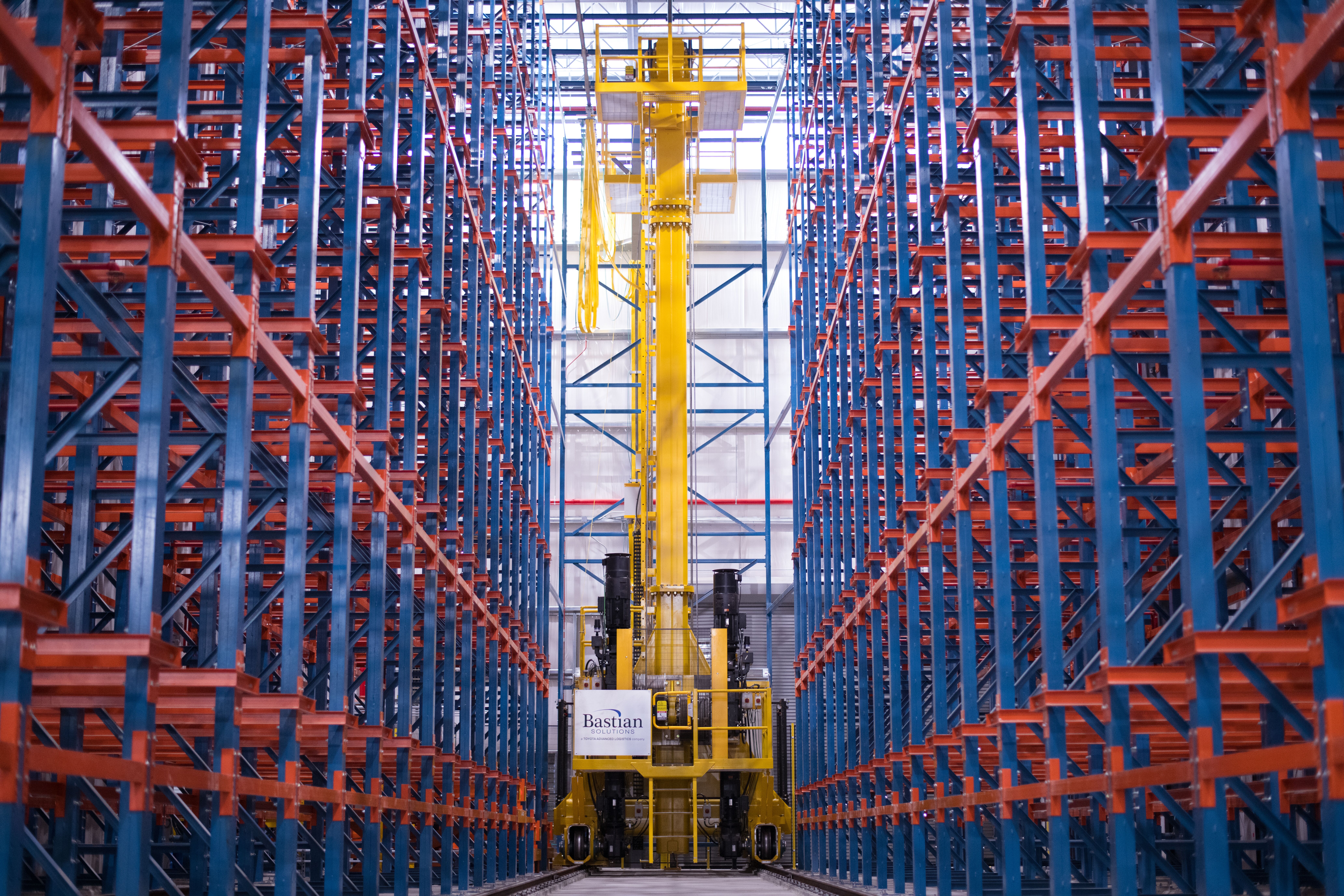
Selecting the appropriate racking system involves a thoughtful consideration of the goods being stored and the operational workflow of the various warehouse workers. For instance:
Each design has its own set of benefits and limitations, and the ideal choice often depends on a strategic evaluation of your operation’s specific requirements.
Understanding the characteristics of the commodities your warehouse will store is paramount, due to its influence on the selection of an appropriate racking system that can maximise storage efficiency, ensure safety, and optimise handling operations.
SEC Group are experts in determining which storage solution would be optimal for making the most of your warehouse space for workforce efficiency, forklift access and storage space: Contact us today for your ideal pallet racking system, designed specifically for your warehouse layout.
Choosing the right pallet racking system demands a keen understanding of load capacity and dimension requirements – these factors are the critical components in ensuring a safe, efficient, and suitable storage solution for your warehouse operations. It’s essential to be well-informed about the weight and size restrictions of racking systems to avoid potential safety hazards and to optimise your storage space effectively.
When it comes to pallet racking, the importance of adhering to weight and size restrictions cannot be overstated.
Overloading a racking system can lead to structural failure, risking both your inventory and the safety of your staff, while underutilising space can result in wasted warehouse footprint and resources. Therefore, it’s imperative to accurately comprehend the specifications of the racking system you intend to implement.
To ensure the right fit for your pallet racking system, begin by assessing the sizes and weights of the items you aim to store. It’s crucial to calculate the load capacities: the maximum load per shelf, the total load per unit, and the spacing requirements between racks to facilitate efficient access and airflow. Bear in mind that the load capacity also relates to the strength of the materials used in the racking construction, which must comply with safety standards.
By thoroughly assessing and calculating the necessary load capacity and dimensions, you’re laying the groundwork for an effective, secure, scalable and suitable pallet racking system that caters to your warehouse’s unique needs.
When it comes to choosing the right pallet racking system, inventory accessibility and throughput are crucial factors that directly impact warehouse efficiency. A well-thought-out racking system can significantly enhance inventory management and the speed of operations. Let’s delve into these essential components for optimising your storage solutions:
Inventory accessibility refers to how easily staff can retrieve items from the pallet racking system.
Optimal accessibility ensures that products are available without delay, facilitating a smooth picking process. High levels of accessibility are paramount for warehouses with a fast turnover of products or those distribution centres that operate on a Just-In-Time (JIT) inventory basis.

The throughput of a warehouse is the measure of how many goods can be moved in and out over a certain period; a proficient racking system is designed to maximise this flow. Consider the following strategies for enhancing your own warehouse facility’s throughput:
When chosen diligently, the right pallet racking system will enable you to strike the perfect balance between inventory accessibility and throughput, thereby optimising warehouse operations and productivity.
When it comes to choosing the right pallet racking system, durability and material quality are paramount. These factors are especially crucial as they directly affect the longevity and resilience of the racking systems in the demanding environment of a warehouse.
In this section, we discuss the impact of material quality and the significance of investing in premium materials for your pallet racking solutions:
The material used in the construction of your pallet racking can greatly influence its ability to withstand the daily rigours of warehouse operations: High-quality steel, with appropriate finishes, ensures resistance to wear, tear, and corrosion, which can otherwise compromise the structural integrity of racking systems. Moreover, superior materials contribute to better load-bearing capacity and minimised risk of deformation over time.
Investing in high-quality racking materials is not merely an upfront expense but a strategic decision for long-term value. By prioritising material quality, businesses safeguard their operations against potential system failures which can lead to costly downtime – or worse, accidents in the workplace. Premium quality racking is also less likely to require frequent repairs or replacements, ensuring stable operations and predictable budgeting for warehouse management.
As businesses evolve, their storage requirements can change rapidly, making it crucial to select a pallet racking system that not only meets immediate needs but also accommodates long-term growth and shifts in operations.
The adaptability and scalability of your pallet racks solution are vital to ensuring a sustainable, cost-effective investment in your warehouse infrastructure.
The need for racking systems that can adapt to business growth and changes is significant, and should not be understated. Companies must anticipate future storage requirements and choose racking that can be reconfigured or expanded easily; this forward-thinking approach minimises disruptions and reduces the need for costly revamps of storage layouts.
Scalable pallet racking systems are designed to grow with your business. Here are some examples of how they can future-proof your storage through customised selective pallet racks and racking systems:
Selecting a racking system that emphasises adaptability and scalability ensures your warehouse can keep pace with the dynamic nature of business, maximises space utilisation, and protects your investment in the long run.
Adhering to established safety standards is paramount in selecting a pallet racking system for your warehouse.
Safety compliance not only protects warehouse personnel but also ensures smooth operation and the long-term integrity of your storage solutions. Ignoring these vital protocols can lead to unfortunate accidents and costly disruptions in logistics.
Importance of Safety Standards:
Implications of Non-Compliance:
Choosing a pallet racking system that is designed and installed in accordance with appropriate safety standards is not merely about regulation adherence – it’s about creating a sustainable and secure environment for your workforce and your products.
When choosing the right pallet racking system, one of the critical factors to consider is its integration with existing warehouse management systems (WMS). A harmonious relationship between your customised pallet racking systems solution and WMS paves the way for streamlined operations, error reduction, and enhanced inventory control.
Compatibility with warehouse management technology is indispensable; you want to ensure that the pallet racking system you select can communicate effectively with your WMS, meaning that both the hardware (such as RFID readers, barcode scanners) and software components should work seamlessly together to provide real-time updates, accurate tracking, and efficient handling of warehouse operations.
An integrated pallet racking and warehouse management system offer numerous benefits:
Selecting a suitable pallet racking system that smoothly integrates with your warehouse management systems is a strategic move that can lead to tangible improvements in your warehouse’s overall efficiency and productivity.
Warehouse Pallet Racking System
Customized Solutions: We tailor our pallet racking systems to meet your specific storage requirements, considering factors like load capacity, SKU diversity, aisle space, and workflow efficiency.
Space Optimization: Our racking solutions are designed to maximize vertical space utilization, allowing you to store more inventory while maintaining accessibility and safety.
Improved Inventory Management: With organized and accessible storage, our pallet racking systems enhance inventory visibility, accuracy, and control, reducing picking errors and stockouts.
Enhanced Safety: We prioritize safety in design and installation, ensuring that your pallet racking systems meet industry standards and regulations, protecting both your employees and inventory.
Scalability: As your business grows or evolves, our pallet racking solutions can be easily modified or expanded to accommodate changing storage needs and inventory volumes.
Partner with Cardinal Integrated Global for Innovative Pallet Racking Solutions
Transform your warehouse efficiency and storage capabilities with Cardinal Integrated Global’s comprehensive pallet racking solutions. Our team of experts will work closely with you to assess your requirements, design the optimal racking system, and ensure seamless installation and integration into your warehouse operations. Maximize space, improve workflow, and boost productivity with our reliable and customizable pallet racking solutions.